The smoke from wildfires in Canada smothering New York and elsewhere in the U.S. is a grim milestone—perhaps the first time that an impact of climate change has been so dramatically visible to me. When I went outside on Tuesday, the campfire smell was obvious. Since then, I’ve stayed inside. Still, some of the smoke seeped inside my home.
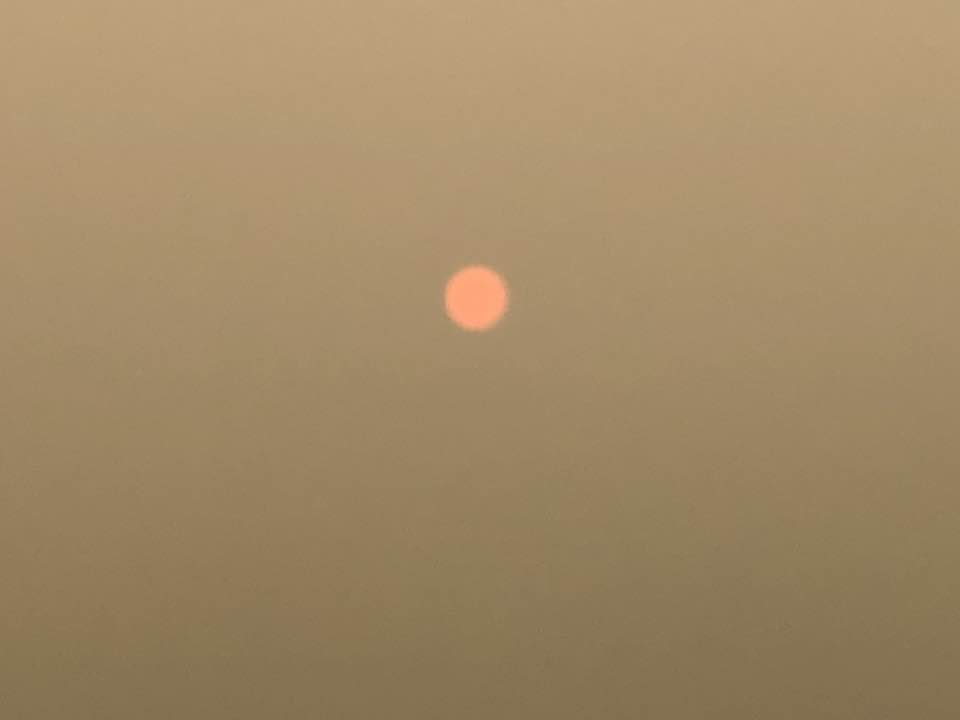
While climate change is already affecting many people—especially those who have done the least to contribute to it—I have so far been pretty sheltered. But yellow skies and smoky air are impossible to miss, especially because I have asthma. On the whole, I remain lucky; I have access to medication for asthma and my breathing has been OK. But the feeling of being amid a crisis is a heavy burden. In the early days of the Covid pandemic, I realized that the world really could change in ways that affect me intimately. The wildfire smoke is a similar wakeup call for climate change. Breathing the remnants of Canadian trees into my nose and lungs demonstrates the downside of the world’s interconnectedness and proves that climate change can throw things seriously out of whack.
Somini Sengupta of the New York Times writes:
“It’s not officially summer yet in the Northern Hemisphere. But it’s already a season of extremes. Fires are burning across Canada, blanketing parts of the eastern United States with smoke. Puerto Rico is under a severe heat alert. Earth’s oceans have rapidly heated up. Human-made climate change is a force behind all of these extremes. The events of this week show how unprepared the world’s richest continent is for the hazards of the not-too-distant future.”
This may be the first time that climate change has hit home for me, but it won’t be the last. Nevertheless, it remains possible to limit climate change. This century does not have to be defined by crises. I hope to turn this feeling of unease into an impetus for taking action for climate justice.

 The Politics Column